How to paint factory-primed interior doors for a flawless finish
Painting factory-primed interior doors: prep, sanding, which enamel to use, spray vs roller, drying times and how to avoid brush marks on Shaker panels.
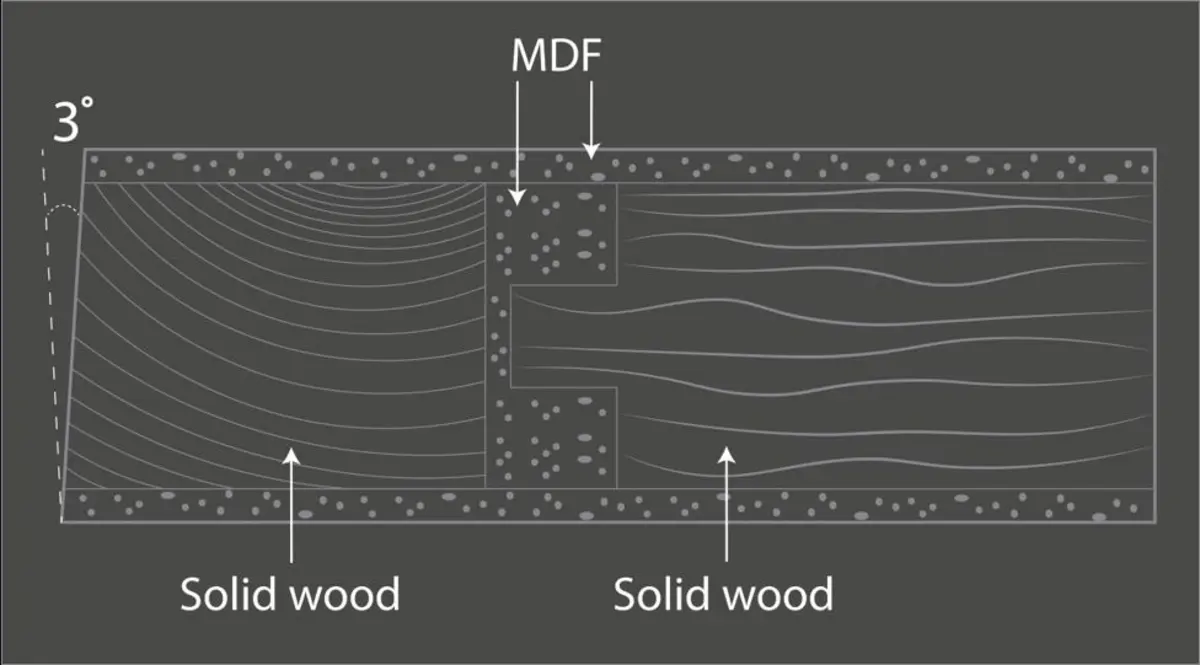
Every door we ship is factory primed: the MDF faces are sealed and sanded, so you are painting a smooth, uniform surface instead of raw wood. The primer is not the final finish, though. Here is how to get a durable, brush-mark-free result on Shaker panel and flush doors.
1. Inspect and fill
Check for handling marks from transport. Fill any dents with a lightweight spackle or MDF filler, let it dry and sand flush. Wipe the whole slab with a tack cloth.
2. Scuff-sand the primer
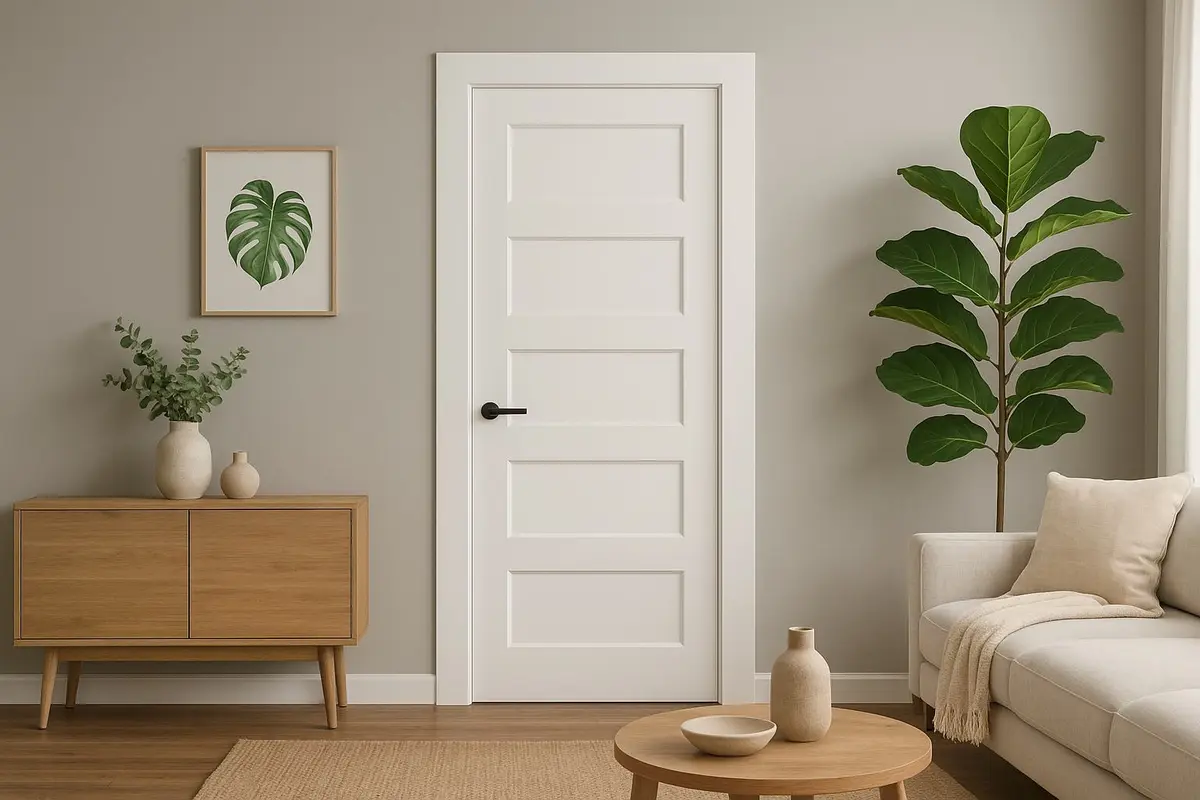
Lightly sand the entire face with 220-grit paper or a fine sanding sponge. You are not removing the primer, only dulling it so the top coat bonds. On the two panel Shaker and other panel doors, use a sanding sponge to reach the inside edges of the panels. Vacuum and tack-cloth again.
3. Choose the paint
Use a waterborne alkyd enamel or a quality acrylic trim enamel in satin or semi-gloss. These level well, cure hard, and resist the fingerprints doors collect. Avoid flat wall paint: it scuffs and cannot be wiped. If you are painting the doors a dark color, ask the paint store to tint the second primer coat.
4. Spray or roll
Spraying (HVLP or airless with a fine finish tip) gives the best result on volume projects: lay the slabs flat on sawhorses, spray two light coats, and you can finish dozens of doors a day. For rolling, use a 4″ high-density foam or ¼″ microfiber mini roller and back-brush the panel edges. Work in this order on a panel door:
- Inside panel edges (the recessed profile)
- Panel faces
- Horizontal rails
- Vertical stiles, last, with strokes running the full height
On flush doors simply roll in one direction and lay off lightly with a dry roller or a wide brush.
5. Edges and the hinge side
Paint all four edges, including the top and bottom. Sealing the bottom edge matters in bathrooms and laundry rooms where moisture can wick into the core. If the door is already hung, remove it or mask the hinges; see the installation guide for why we prefer to paint before hanging.
6. Drying and recoat
Allow the first coat to dry as the label says (usually 4–6 hours for waterborne enamel), scuff lightly with 320-grit, and apply the second coat. Let doors cure 24 hours before hanging and a week before heavy use; enamel keeps hardening for several days.
Glass and louver doors
Mask the frosted glass on glass doors with tape and paper before spraying. On louver doors, spraying is strongly recommended: brushing between slats is slow and leaves runs.
Matching trim
Paint the jambs, casing and baseboards from our primed finger-jointed pine boards with the same enamel and sheen so the whole opening reads as one piece.
Ready to order? Every model on the site is listed with slab and pre-hung prices in 80″ and 96″ heights — start with the door catalog.